
Clean vs. Contaminated Linen Flow in Healthcare Laundry
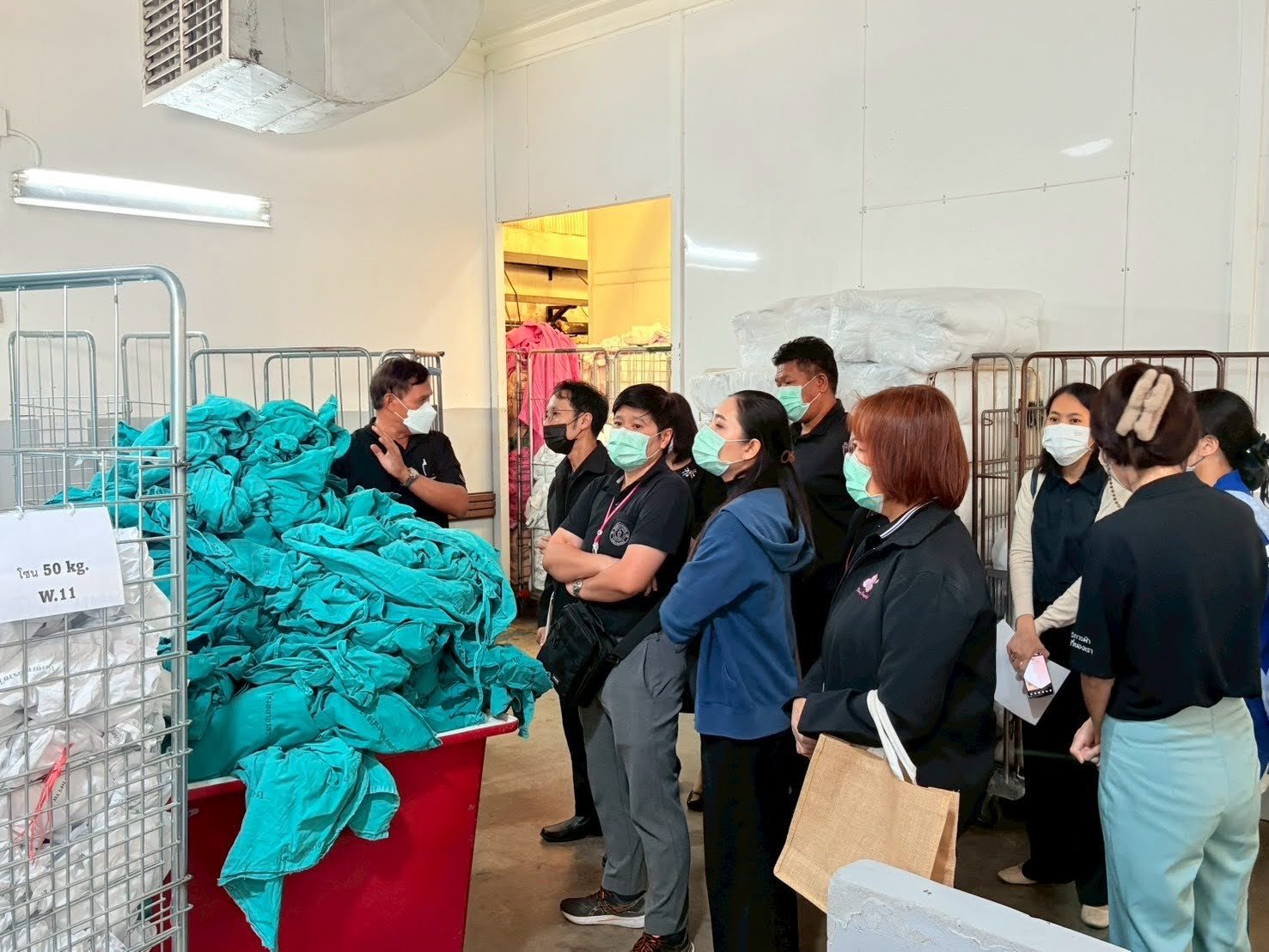
The problem
Ask where hygiene comes from in a hospital laundry and most people answer with chemistry: wash temperature, detergent, disinfection stage. Chemistry matters — but chemistry only cleans what passes through the washer. It does nothing about what happens before and after: the trolley that carried soiled linen this morning and clean linen this afternoon, the corridor where both streams pass each other at shift change, the folding table that sits two meters from the soil-sorting area with a shared air path.
Hygiene in healthcare laundry is decided by flow design — the physical and procedural layout that determines what can touch what. A laundry with perfect wash chemistry and a crossed flow is not a clean laundry. It is a contaminated laundry with good intentions.
Why it matters
Recontamination is invisible at the moment it happens. Linen that has been washed looks clean whether or not it brushed a soiled cage on the way to dispatch. That is exactly why flow has to be engineered: you cannot inspect your way out of a crossed path, because the failure leaves no visual evidence. The only reliable control is to make the cross physically and procedurally impossible.
For a hospital, the stakes compound. Linen touches every patient, every bed, every department. A flow failure in the laundry is distributed to the entire facility by the delivery round — efficiently and on schedule. And once a hygiene question is raised about a linen supply, the operational answer is brutal: stop, re-wash, re-stock. A facility’s linen buffer that was sized for equipment failure is rarely sized for a full hygiene recall. Flow design protects continuity as much as it protects hygiene — the two are the same system. (What continuity requires is covered on the linen continuity page.)
How PEO approaches it
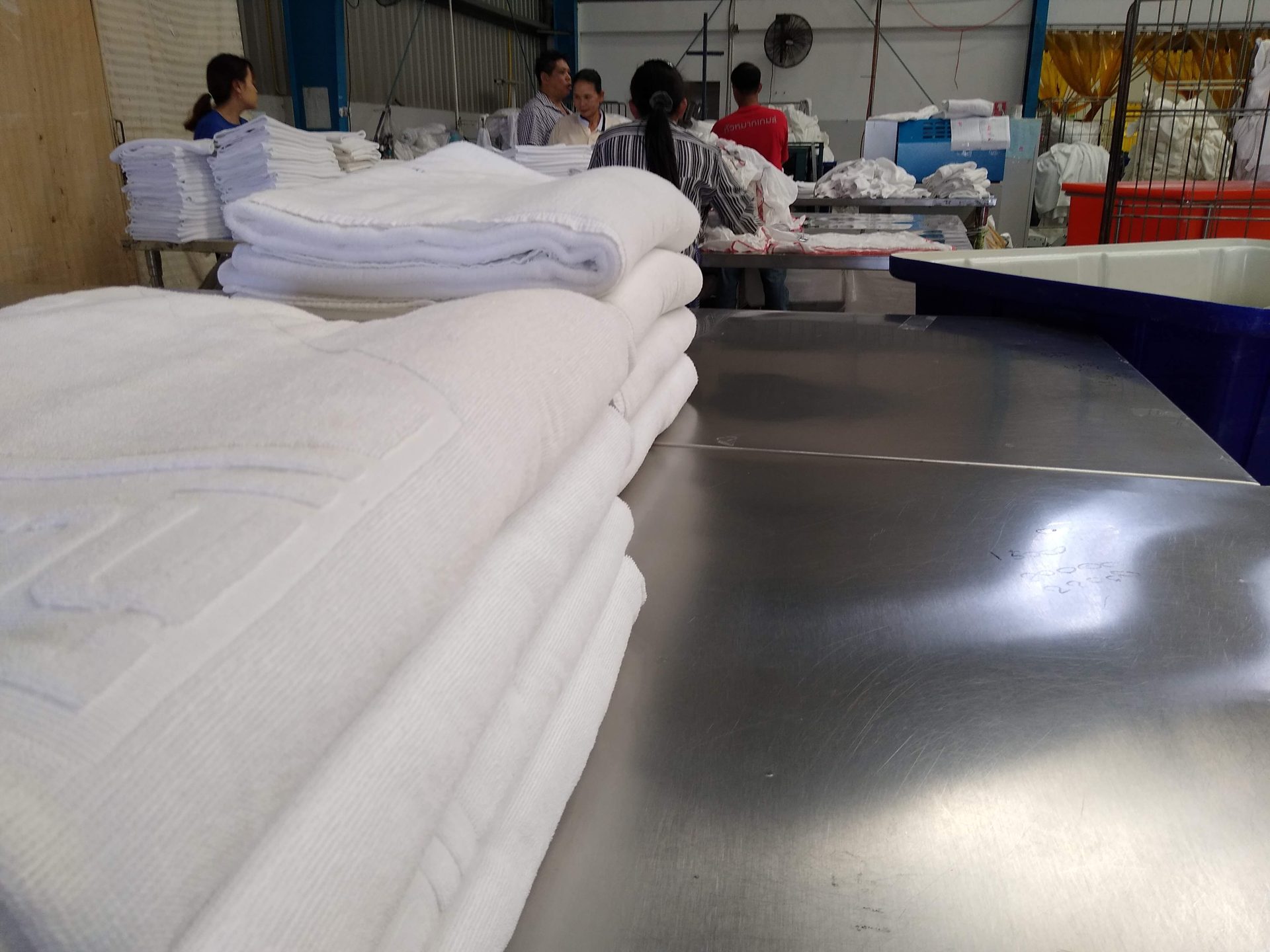
In the operations Ideal Laundry runs, segregation is built in three layers — physical, procedural, and continuous:
Physical separation
The plant is zoned — soiled side and clean side, with washing equipment as the barrier. No doorway, trolley route, or storage point where the two meet; soiled receiving and clean dispatch are separate; carts are dedicated to one side or washed between uses.
Procedural separation
Make the right path the easy path: no mid-shift side-swapping without a change protocol, hand-off rules at the boundary, colour-coded containers that make a misplaced cage obvious, and high-risk-linen handling that begins at the ward, not the plant.
Continuous separation
The flow holds under load — the day the lift is broken and a ward sends double volume. Supervisors check boundary points as routine, exceptions are logged not absorbed, and the layout leaves no convenient shortcut. A flow that holds only under light load is not a working flow.
Physical separation enforces the one-way flow — no shared paths between clean and contaminated linen:
- Collect
- Segregate
- Process
- Inspect
- Deliver
Flow design is also where new plants and retrofits part ways. In a new build, one-way flow costs almost nothing — it is a layout decision made on paper, before any wall is poured. In an existing plant, retrofitting separation is harder but rarely impossible: the work is usually re-routing rather than rebuilding — moving a sorting area, dedicating a corridor, changing which door receives what, and accepting that one or two convenient paths must close permanently. The most common retrofit mistake is treating flow as a signage project. Signs ask; layout decides. If the shortest path between soiled receiving and clean dispatch is still open, it will be used — by the newest hire, on the busiest day, exactly when it matters most.
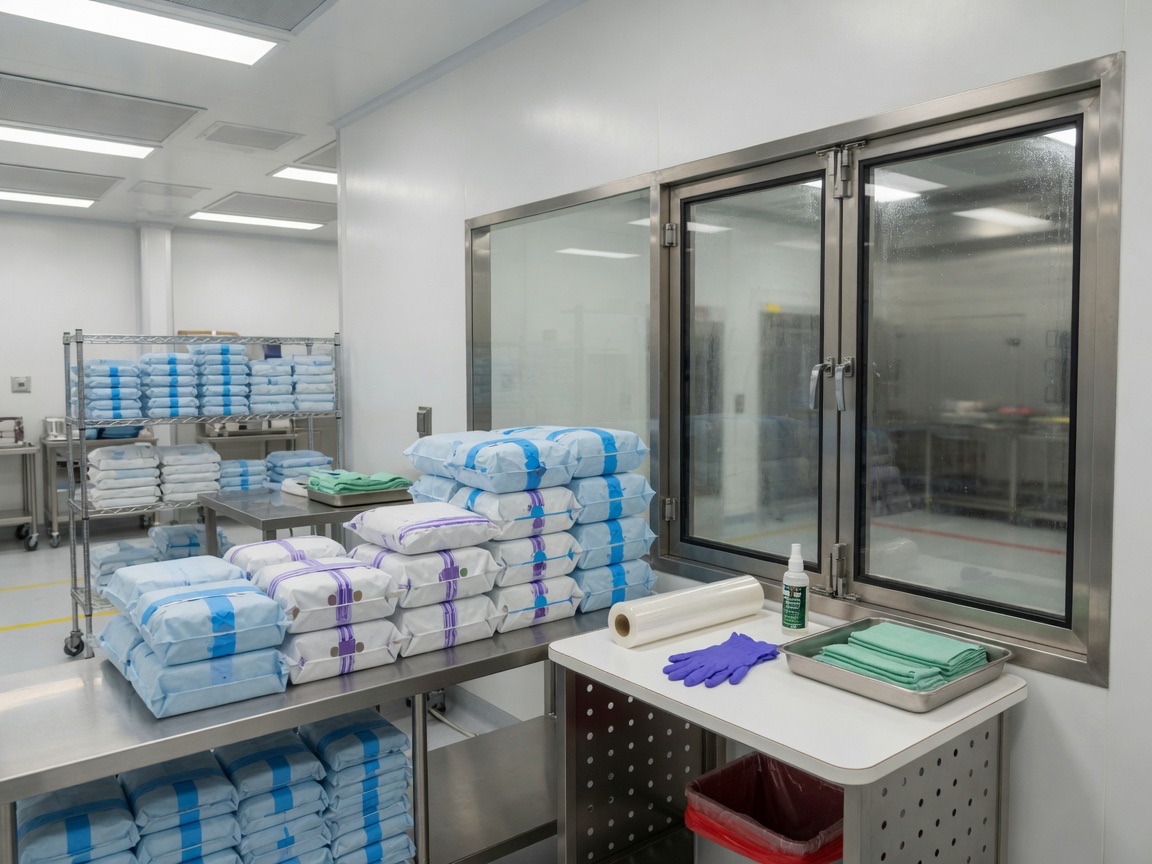
We describe this as a healthcare-grade process with hygiene zoning — deliberately concrete language. The test of a laundry’s hygiene is not what is claimed about it; it is whether you can walk the floor and watch the separation hold.
A practical checklist
Walk your laundry — in-house or your provider’s — with these questions:
- Walk the path: Follow one item of soiled linen from ward to delivery. Does it ever occupy the same space, trolley, or holding area as clean linen — at any point, for any duration?
- Find the barrier: Is there a defined physical boundary between soiled and clean zones — or just a habit of keeping things "on that side"?
- Check the containers: Are carts and cages dedicated to one side, or washed and documented between uses? Could a soiled cart be identified at a glance?
- Watch a shift change: Flow failures cluster at handovers. Who enforces the boundary when the supervisor is at the other end of the building?
- Trace the air and water: Does air move from clean toward soiled (or at least not the reverse)? Does drainage from the soiled area pass through or near clean processing?
- Ask about isolation linen: Is high-risk linen bagged and identified at the ward, and does it enter processing without an intermediate sorting step that exposes staff and surfaces?
- Test the exception path: When an item is found soiled on the clean side, is there a written response — or does it quietly go back in the wash while the cause goes uninvestigated?
Related reading and services
Request a linen flow review
We will review your linen flow on site and identify where separation holds and where it is at risk under load.
Request a service discussion