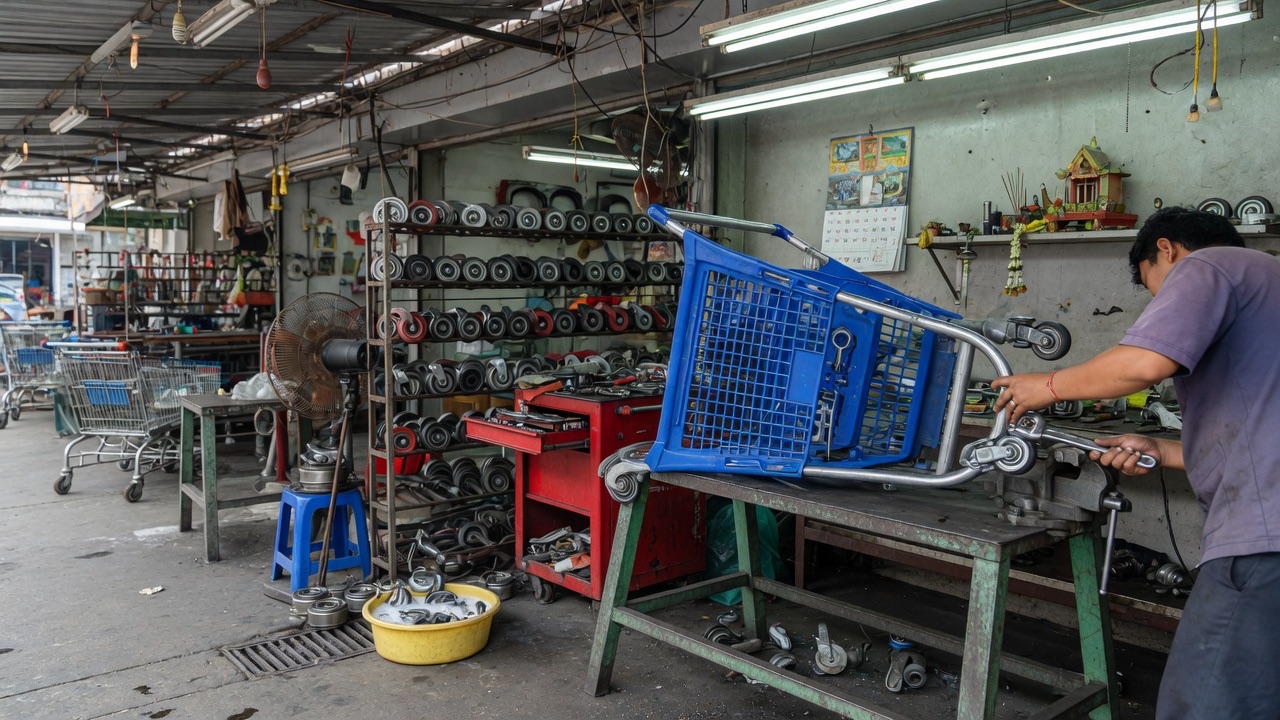
Carts that pull badly
A dragging caster takes more force to push and steer — applied to every staff member, every shift.

Mobility & On-Premise Logistics
PEO Tech services the carts, wheels, casters and lubrication points inside hospitals, stores and factories. We inspect, maintain and replace these systems on schedule so facility movement stays safe and reliable.
Or reach us now — WhatsApp · (+66) 84-438-9611
What PEO Tech Owns
Function protected: safe facility movement. Constraint solved: mobility failure caught before it damages floors, frames or safety — inspection before replacement. Outcome owned: cart, caster and wheel reliability and floor safety. Lifecycle responsibility: assess → specify → service → replace on condition, not on failure.
Who We Are
PEO Tech assesses how equipment moves inside your facility — load, frequency, surface, duty cycle — before recommending anything. We aim to identify mobility failures before they occur.
Common Problems
Mobility failure often shows up as other problems that are easy to misattribute:
A dragging caster takes more force to push and steer — applied to every staff member, every shift.
Flat-spotted or seized wheels stop rolling and start scraping — and the wear accelerates from there.
Floor repair from dragged equipment routinely costs more than the casters that caused it.
A seized wheel makes a loaded cart unpredictable on a ramp, creating a safety risk.
Equipment out of rotation and staff compensating by hand — often the largest cost on this list.
Approach
What moves, how often, what load, what surface.
Carts, wheels and components specified together, so they wear evenly and last longer.
Preventive maintenance and on-site repair, restoring before replacing.
Planned replacement on condition and duty cycle, not on failure.
Inspection First
The cheapest intervention is made before failure, and we do not recommend replacement without inspecting first. We inspect the floor, check what moves, and measure wear against load and duty cycle.
Inspection produces three outcomes:
We restore before replacing, and replace on condition rather than after breakdown.
What We Do
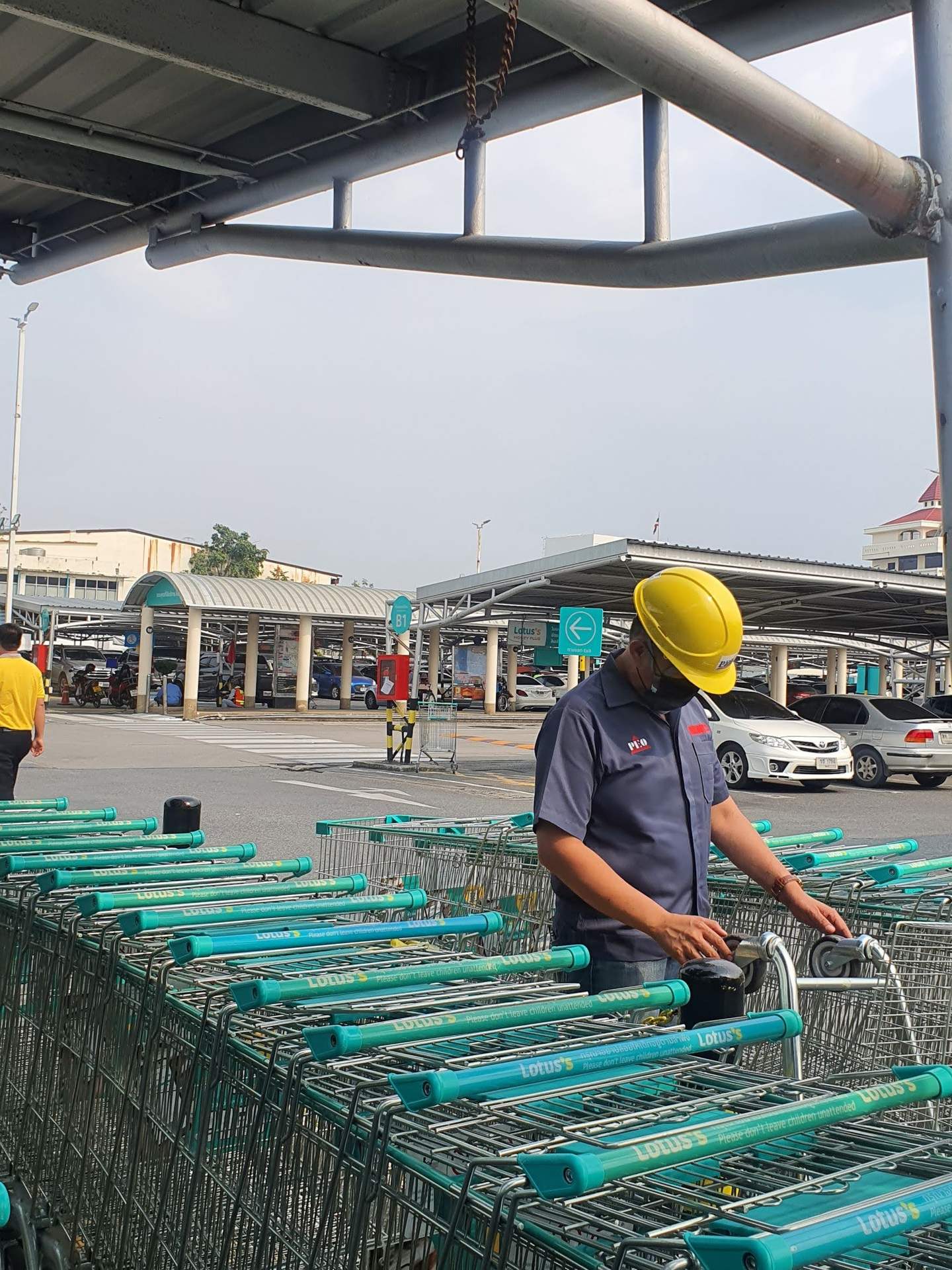
Retail, healthcare, logistics, and industrial cart systems.
Retail, heavy-duty, and medical grades, specified to floor and load.
Greases, oils, and lubrication programs for heavy machinery.
Nationwide on-site maintenance, inspection, and replacement.
Customer Sectors
Where We Are Going
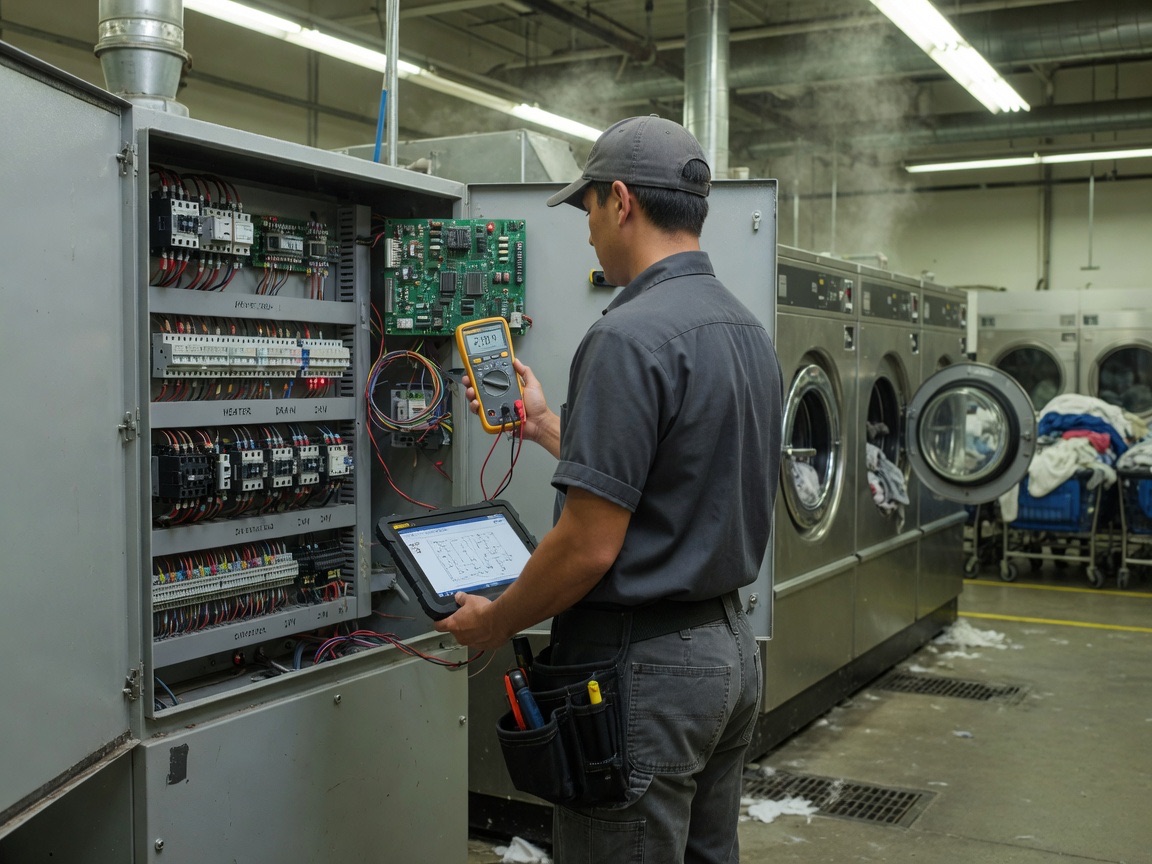
We are extending from supply toward service-based replacement and maintenance models — so accountability for uptime stays aligned with the people responsible for it, and customers carry less capital cost.
From the Expertise Hub
Carts are a rotating asset with a duty cycle. How maintenance and planned replacement beat run-to-failure.
Read →Caster selection, lubrication programs, and the rest of the reliability topics we work in.
Browse all topics →When To Call
Most of our service relationships start from one of these situations:
Cart fleets, casters, and on-site service across retail and warehouse operations.
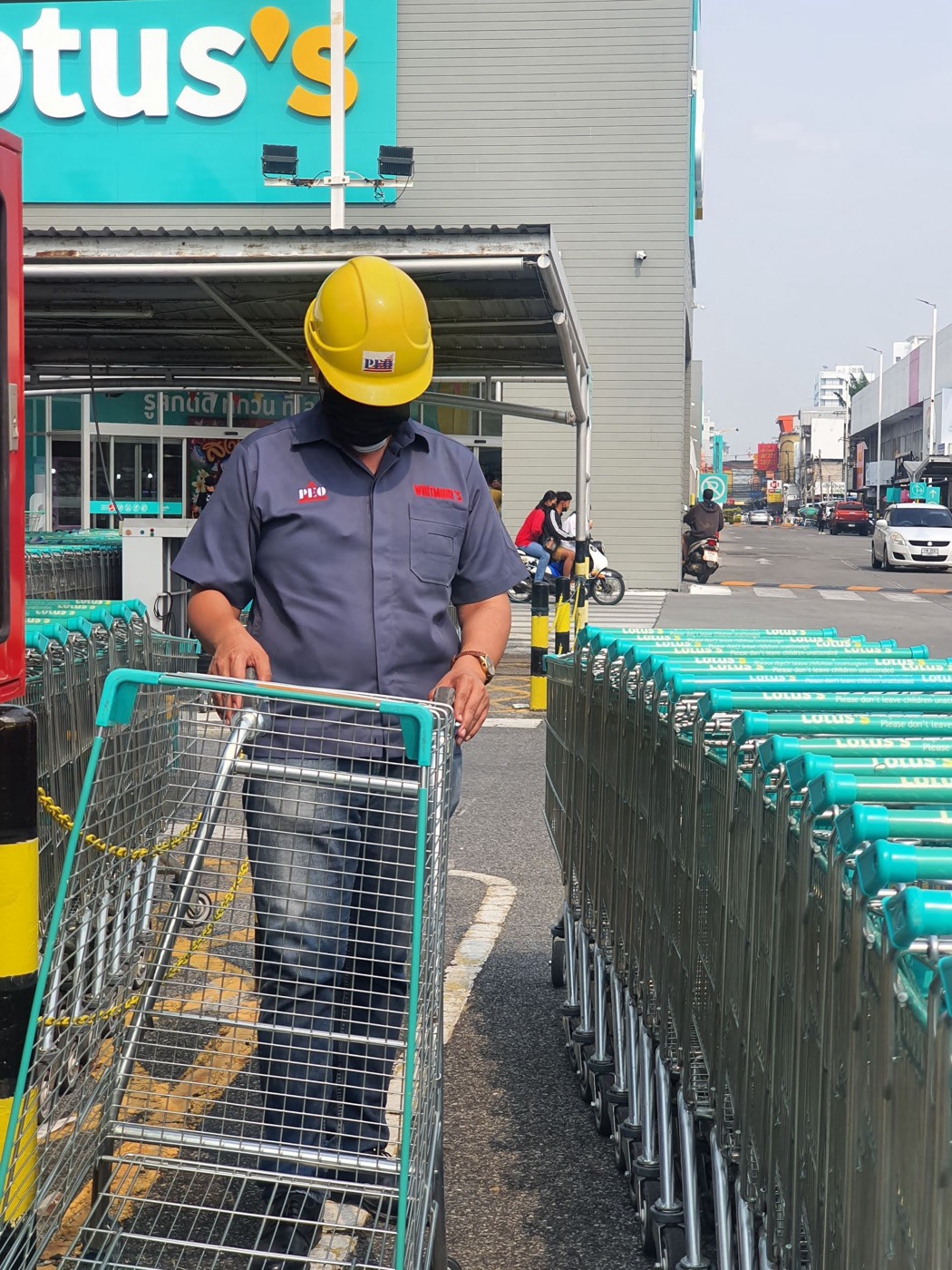
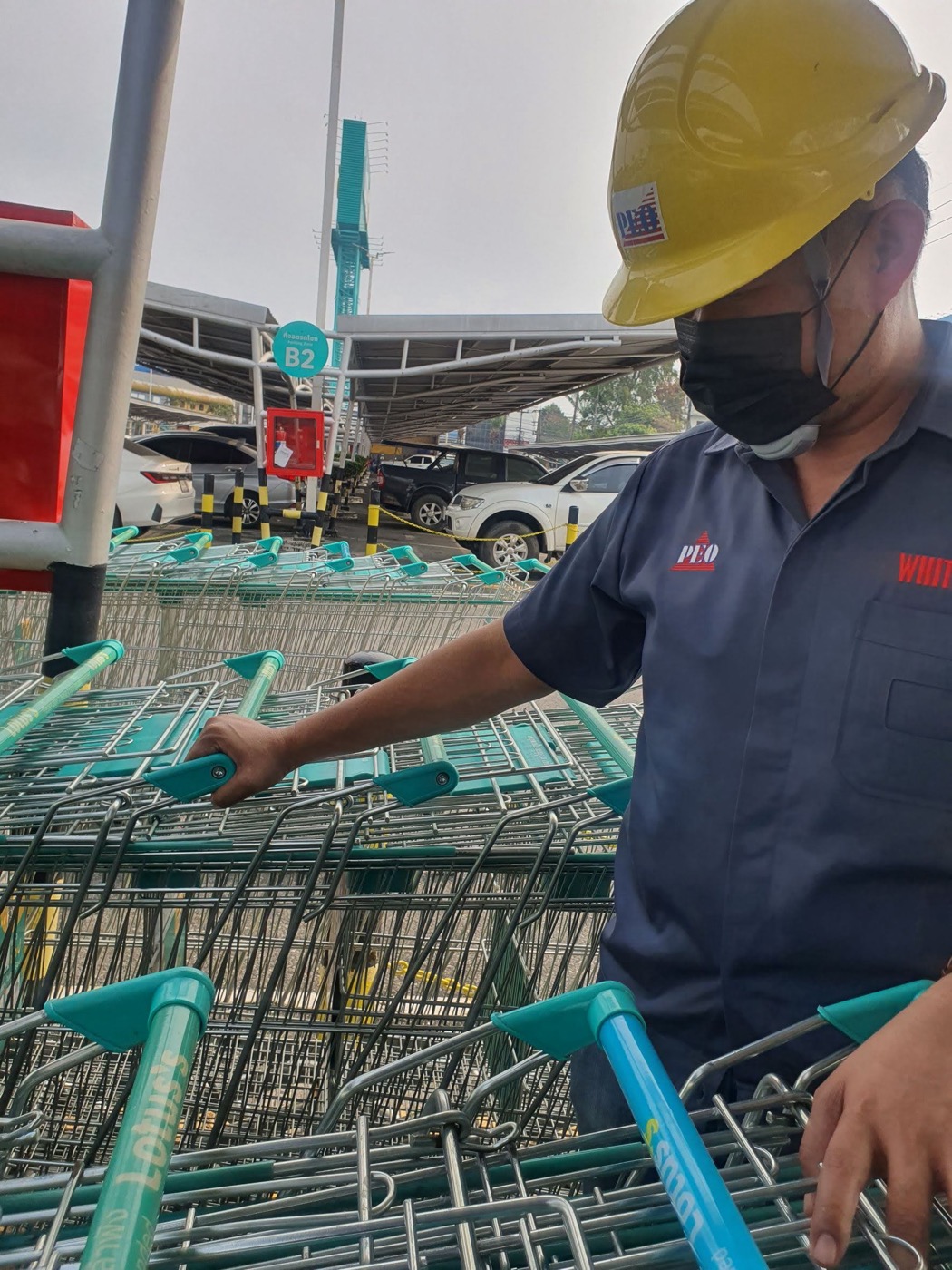
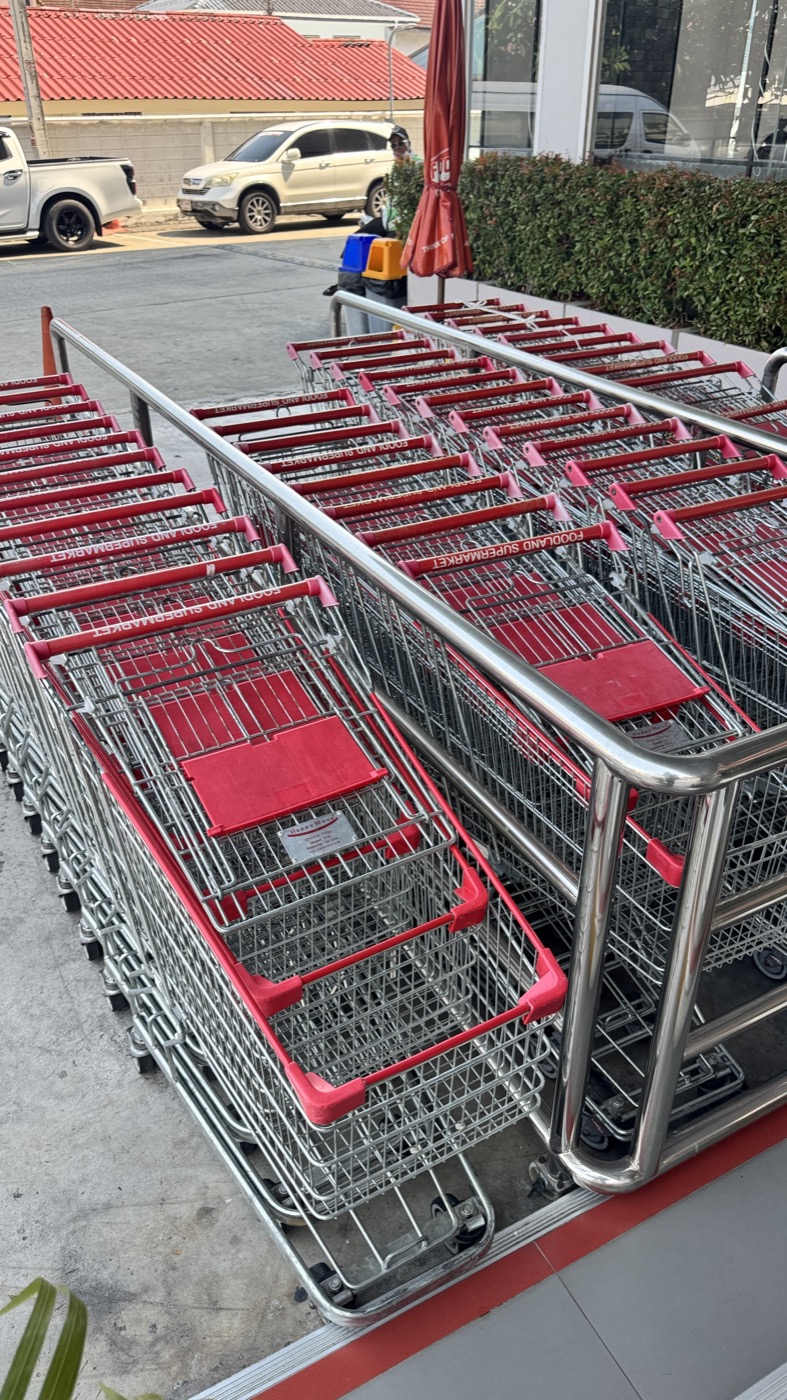
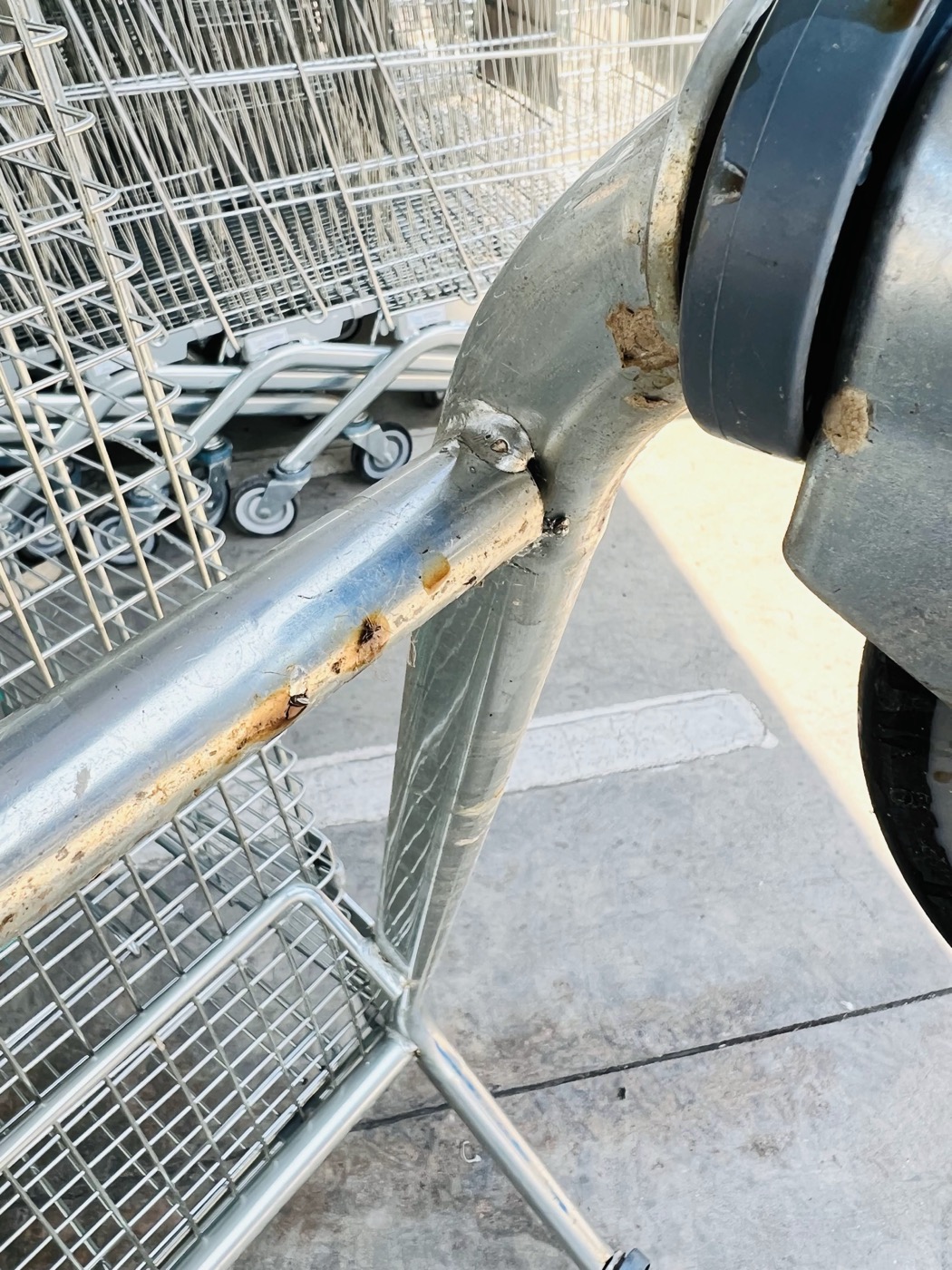
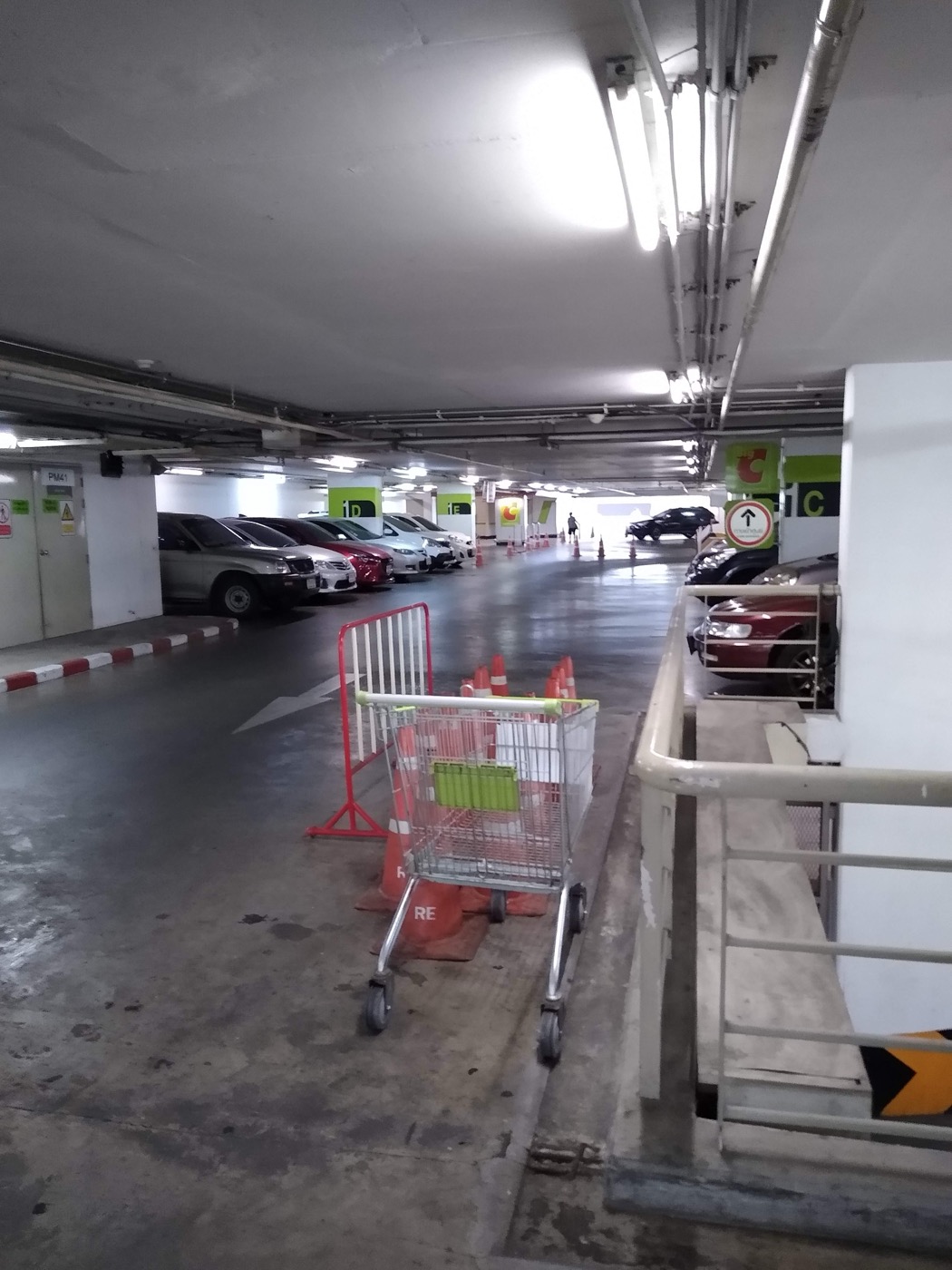
We inspect your facility, assess what is wearing, and report what needs service before it fails.
Request a site assessment